The Sustainable Development Goals (SDGs), adopted by all United Nations Member States in 2015, represent a global framework aimed at addressing the most pressing challenges facing humanity. With 17 goals and 169 targets, the SDGs provide a comprehensive blueprint for achieving a better and more sustainable future for all by 2030.
One of the primary objectives of the SDGs is to eradicate poverty in all its forms everywhere. This goal recognizes that poverty is not just about lack of income but also encompasses social exclusion, lack of access to education, and inadequate healthcare. By addressing these interconnected issues, the SDGs aim to create a world where everyone has the opportunity to thrive.
Goal 2: Zero Hunger
Goal 2 focuses on ending hunger, achieving food security, and promoting sustainable agriculture. With millions of people suffering from malnutrition, this goal emphasizes the need for sustainable food systems that can provide nutritious food for all. Sustainable agricultural practices not only enhance food security but also contribute to environmental sustainability.
Goal 3: Good Health and Well-being
Ensuring healthy lives and promoting well-being for all at all ages is the essence of Goal 3. This goal addresses various health issues, including maternal and child health, communicable diseases, and mental health. Access to quality healthcare services is crucial for achieving this goal, as is the need for health education and awareness.
Goal 4: Quality Education
Goal 4 aims to ensure inclusive and equitable quality education and promote lifelong learning opportunities for all. Education is a powerful tool for breaking the cycle of poverty and empowering individuals. By providing access to quality education, societies can foster innovation, economic growth, and social cohesion.
Goal 5: Gender Equality
Achieving gender equality and empowering all women and girls is the focus of Goal 5. Gender equality is not only a fundamental human right but also a necessary foundation for a peaceful, prosperous, and sustainable world. This goal addresses issues such as violence against women, unequal participation in leadership, and access to education and healthcare.
Goal 6: Clean Water and Sanitation
Goal 6 emphasizes the importance of ensuring availability and sustainable management of water and sanitation for all. Access to clean water and sanitation is essential for health, well-being, and economic development. This goal also highlights the need for integrated water resources management and the protection of water-related ecosystems.
Goal 7: Affordable and Clean Energy
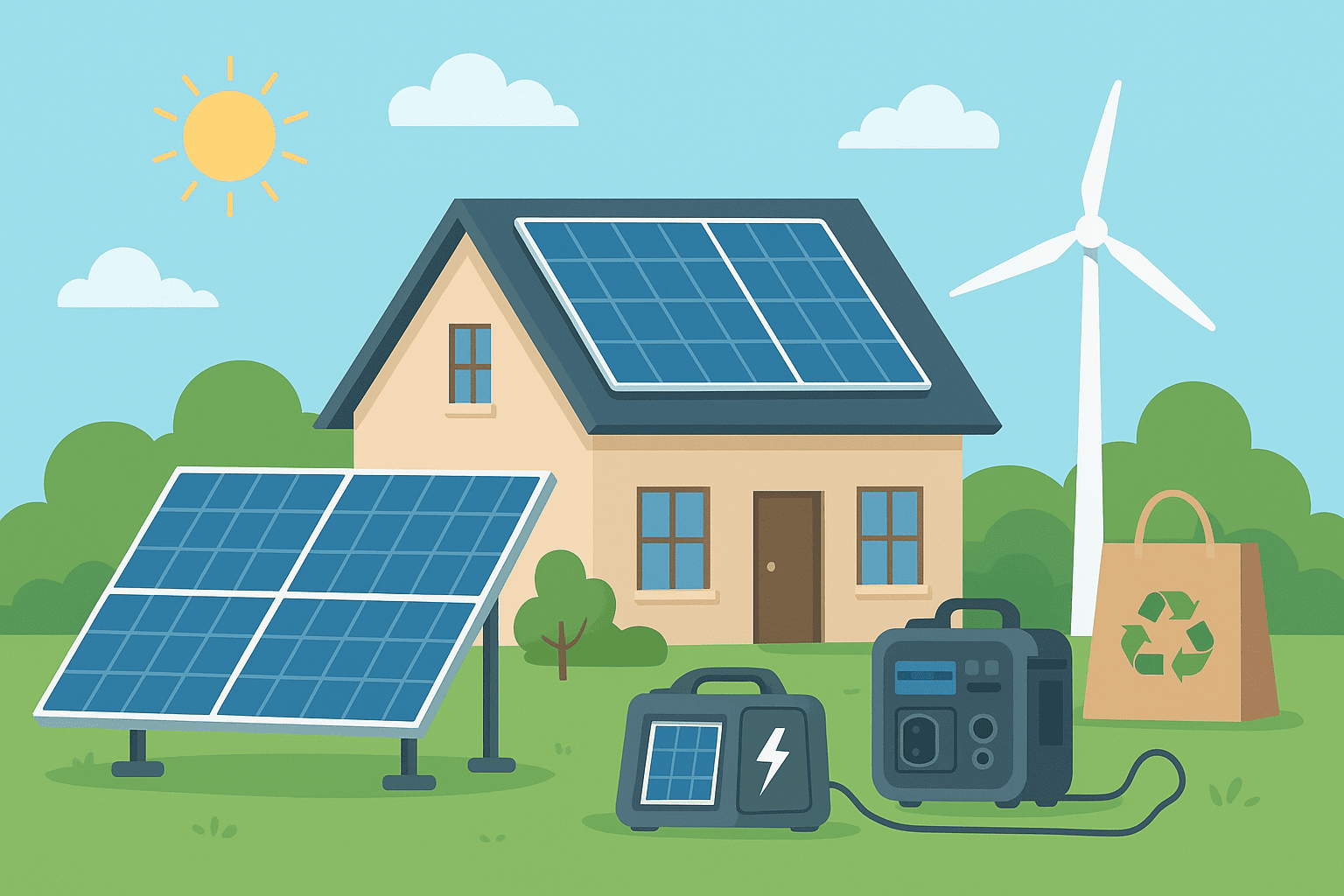
Goal 7 aims to ensure access to affordable, reliable, sustainable, and modern energy for all. Energy is a critical enabler of sustainable development, and this goal emphasizes the need for renewable energy sources and energy efficiency. Transitioning to clean energy can help mitigate climate change and reduce environmental degradation.
Goal 8: Decent Work and Economic Growth
Promoting sustained, inclusive, and sustainable economic growth, full and productive employment, and decent work for all is the focus of Goal 8. This goal recognizes the importance of economic growth in reducing poverty and inequality. It also emphasizes the need for policies that promote entrepreneurship and job creation.
Goal 9: Industry, Innovation, and Infrastructure
Goal 9 aims to build resilient infrastructure, promote inclusive and sustainable industrialization, and foster innovation. Infrastructure development is crucial for economic growth and social progress. This goal encourages investment in research and development, as well as the adoption of sustainable technologies.
Goal 10: Reduced Inequalities
Goal 10 focuses on reducing inequality within and among countries. Inequality can hinder social and economic development, and this goal emphasizes the need for policies that promote equal opportunities and reduce disparities. Addressing inequality is essential for achieving sustainable development.
Goal 11: Sustainable Cities and Communities
Goal 11 aims to make cities and human settlements inclusive, safe, resilient, and sustainable. Urbanization presents both challenges and opportunities, and this goal emphasizes the need for sustainable urban planning and management. Creating livable cities requires addressing issues such as housing, transportation, and environmental sustainability.
Goal 12: Responsible Consumption and Production
Goal 12 focuses on ensuring sustainable consumption and production patterns. This goal emphasizes the need for resource efficiency, waste reduction, and sustainable practices across all sectors. Promoting responsible consumption can help reduce environmental impacts and promote sustainable development.
Goal 13: Climate Action
Goal 13 calls for urgent action to combat climate change and its impacts. Climate change poses a significant threat to sustainable development, and this goal emphasizes the need for mitigation and adaptation strategies. Addressing climate change requires global cooperation and commitment to reducing greenhouse gas emissions.
Goal 14: Life Below Water
Goal 14 aims to conserve and sustainably use the oceans, seas, and marine resources for sustainable development. Oceans play a vital role in regulating the climate and supporting biodiversity. This goal emphasizes the need for sustainable fishing practices and the protection of marine ecosystems.
Goal 15: Life on Land
Goal 15 focuses on protecting, restoring, and promoting sustainable use of terrestrial ecosystems, managing forests sustainably, and combating desertification and biodiversity loss. This goal recognizes the importance of healthy ecosystems for human well-being and the need for conservation efforts.
Goal 16: Peace, Justice, and Strong Institutions
Goal 16 aims to promote peaceful and inclusive societies for sustainable development, provide access to justice for all, and build effective, accountable institutions. This goal emphasizes the importance of good governance, rule of law, and human rights in achieving sustainable development.
Goal 17: Partnerships for the Goals
Goal 17 emphasizes the need for revitalizing the global partnership for sustainable development. Achieving the SDGs requires collaboration among governments, civil society, the private sector, and international organizations. Partnerships are essential for mobilizing resources and sharing knowledge and expertise.
In conclusion, the Sustainable Development Goals represent a comprehensive framework for addressing global challenges and promoting sustainable development. By working together to achieve these goals, we can create a more equitable, inclusive, and sustainable world for future generations.