
If you love RV travel but hate noisy campsites, investing in the best quiet generator for RV use is essential. Whether you’re dry camping, tailgating, or preparing for emergencies, a silent RV generator ensures you enjoy power without disturbing nature—or your neighbors.
In this complete guide, we’ll cover:
- Why quiet generators matter for RVs
- Top 7 best quiet RV generators
- Noise levels explained (dB comparison)
- What size generator your RV needs
- Fuel types (gas, dual-fuel, solar)
- Buying tips for 2026
If you’re also interested in other energy solutions, check out these related guides:
- Best Solar Generator for Home Backup – Perfect for eco-friendly and off-grid home power.
- Best Home Generators for Power Outages – Keep your household running smoothly during emergencies.
- Best Portable Solar Generator with Panels – Ideal for on-the-go solar power wherever you travel.
RV parks and national campgrounds often enforce noise restrictions. Generators louder than 60 dB can lead to complaints—or even fines.
For comparison:
- 50 dB = Quiet conversation
- 60 dB = Normal conversation
- 70 dB = Vacuum cleaner
- 80+ dB = Lawnmower
The quietest RV generators operate between 48–58 dB, making them campground-friendly.
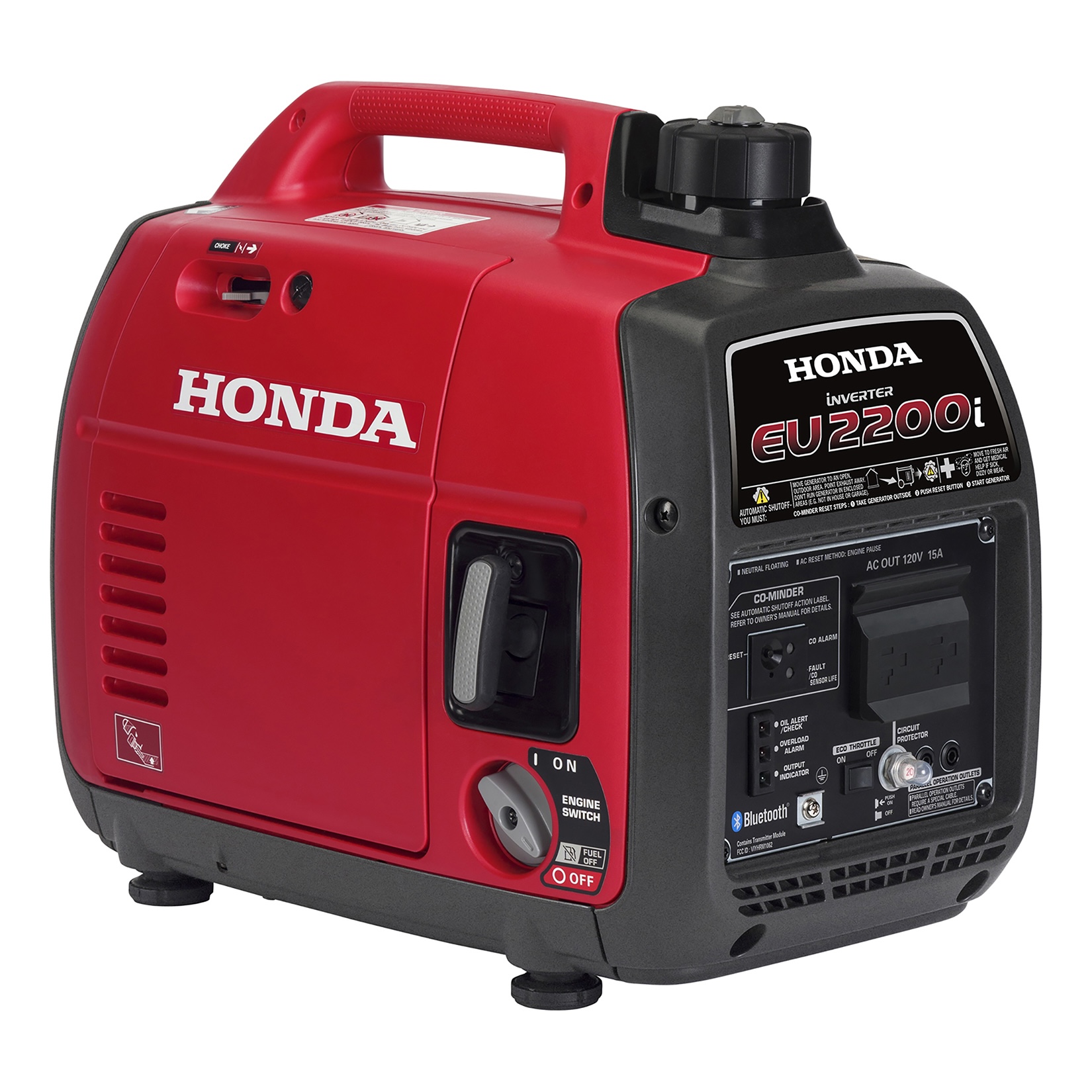
Noise Level: 48–57 dB
Watts: 2,200 peak / 1,800 running
Fuel: Gasoline
Weight: 47 lbs
Why It’s the Best
The Honda EU2200i is the gold standard in quiet inverter generators for RV. It’s extremely reliable, fuel-efficient, and whisper-quiet.
Pros
✔ Super quiet
✔ Clean inverter power (safe for electronics)
✔ Lightweight and portable
✔ Legendary Honda reliability
Cons
✖ Premium price
Best For: Small to mid-size RVs, weekend campers

Noise Level: 51.5–61 dB
Watts: 2,000 peak
Weight: 44 lbs
This Yamaha model rivals Honda in quiet performance and portability.
Best For: Lightweight travel trailers and pop-up campers

Noise Level: 61 dB
Watts: 4,500 peak
Fuel: Gas or Propane
Why RVers Love It
- Electric start
- RV-ready outlet
- Dual fuel flexibility
- Enough power for most RV air conditioners
Best For: Large RVs needing AC power
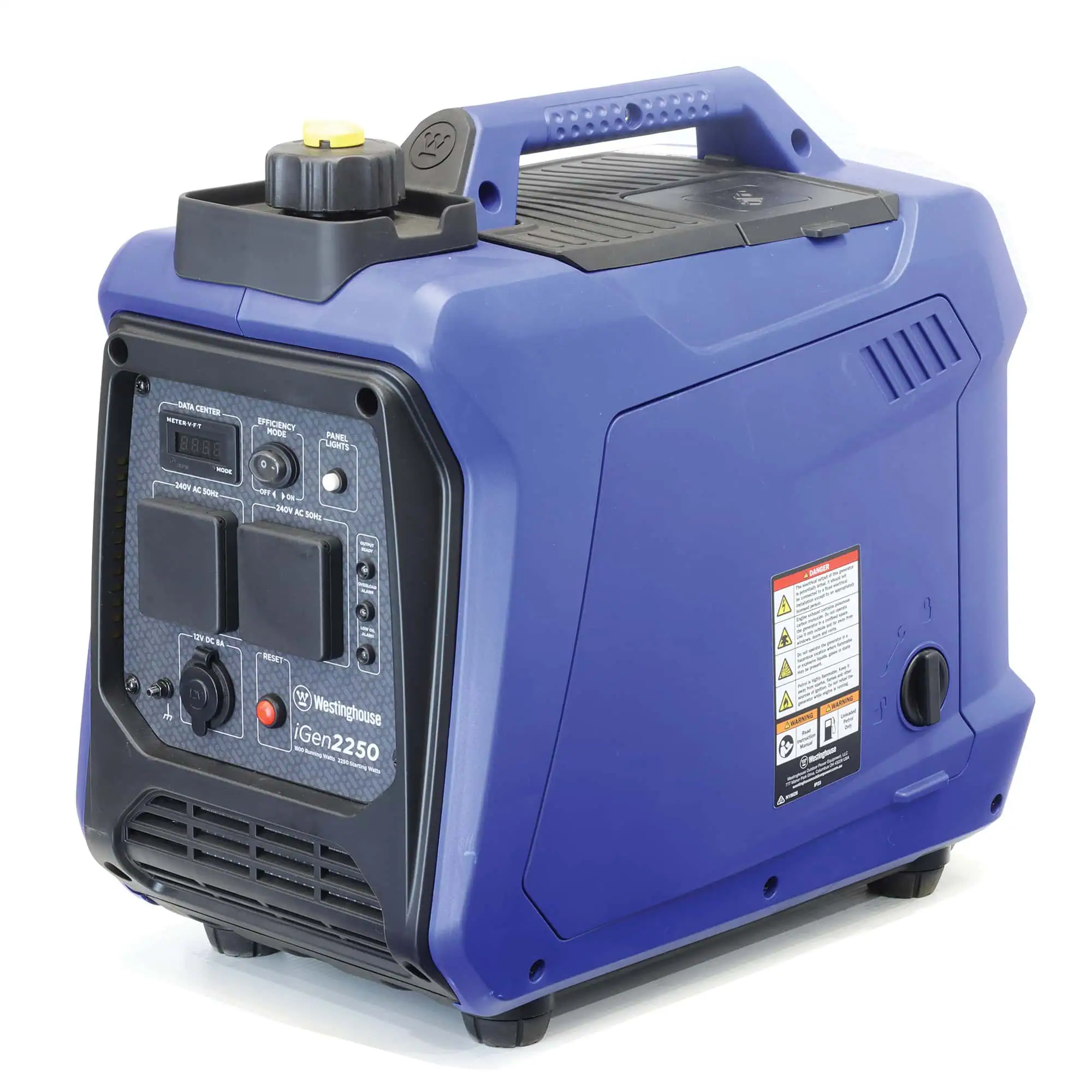
Noise Level: 52 dB
Watts: 4,500 peak
Excellent power-to-noise ratio at a more affordable price than Honda.

Noise Level: 51 dB
Watts: 2,250 peak
Affordable and surprisingly quiet.
Best For: Budget-conscious RV owners
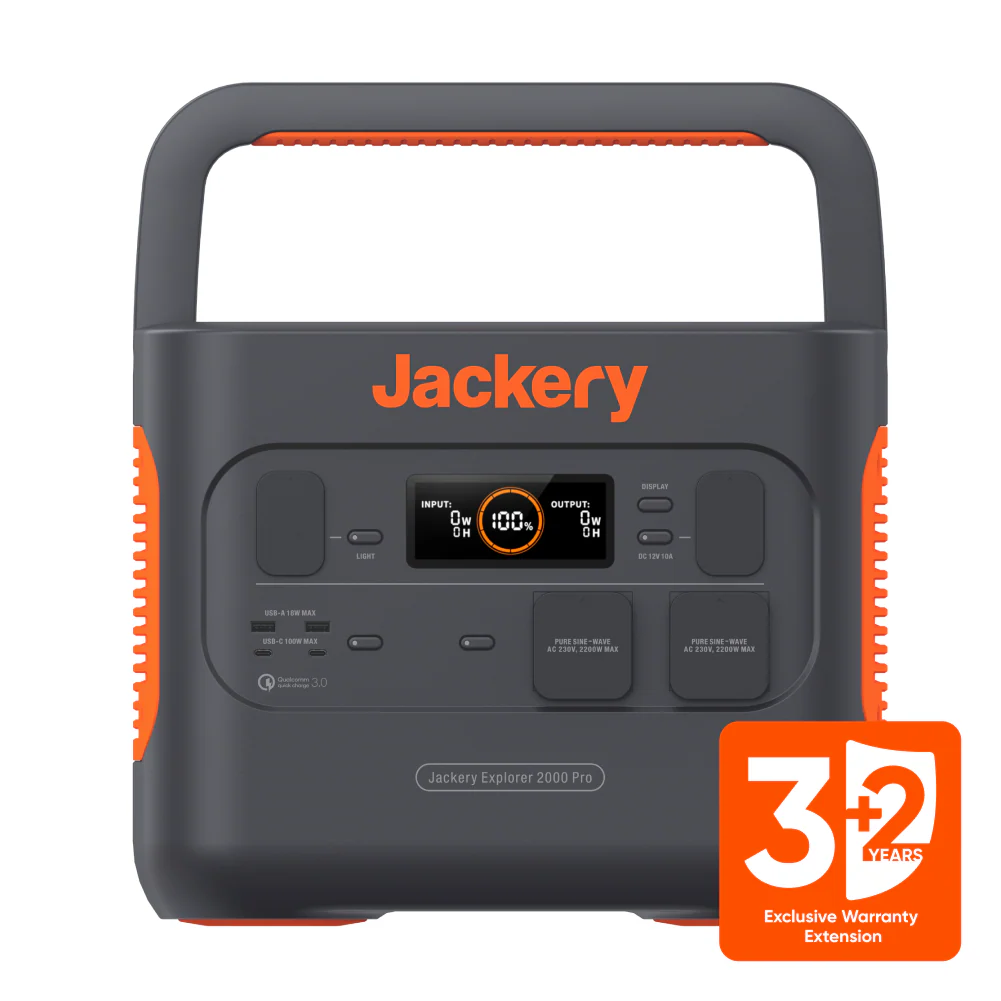
Noise Level: 0 dB
Power: 2,200W
This solar power station is completely silent—no fuel, no fumes.
Best For: Eco-conscious RVers
Small RV (No AC)
- 2,000–2,500 watts
- Example: Honda EU2200i
RV with One AC Unit
- 3,500–4,500 watts
- Example: Champion 4500
Large RV with Multiple Appliances
- 4,500+ watts
Choosing the right RV generator type depends on your camping style, power needs, and noise preferences. Here’s a deeper comparison to help you decide:
🔥 Gasoline Generators
Best for: Budget-friendly, high-power RV use
Pros:
- Strong, consistent power output
- Widely available fuel
- Lower upfront cost
- Ideal for running RV air conditioners
Cons:
- Requires fuel storage
- Louder than solar options
- Shorter fuel shelf life
Gas inverter generators are the most common choice for RV owners who need reliable off-grid power for appliances, microwaves, and AC units.
🔄 Dual-Fuel Generators (Gas + Propane)
Best for: Flexibility and extended camping trips
Pros:
- Runs on gasoline or propane
- Propane burns cleaner with fewer emissions
- Longer fuel storage life (propane doesn’t degrade)
- Great for emergency backup and RV travel
Cons:
- Slightly higher purchase price
- Slightly reduced wattage when running on propane
Dual-fuel RV generators offer versatility, especially for boondocking and long-term travel where fuel availability may vary.
☀️ Solar Generators (Portable Power Stations)
Best for: Silent, eco-friendly camping
Pros:
- 100% silent operation
- No fumes or fuel required
- Low maintenance
- Safe for electronics and indoor use
Cons:
- Limited ability to run large RV AC units
- Higher upfront cost for high-capacity systems
- Dependent on battery capacity and sunlight
Solar power stations are ideal for charging devices, lights, laptops, CPAP machines, and small appliances—perfect for quiet campgrounds with strict noise regulations.
Bottom Line:
If you need to run an RV air conditioner, a gas or dual-fuel inverter generator is your best option. If silence and eco-friendliness matter most, a solar generator is the quietest solution available. 🚐⚡
Look for:
- Inverter technology
- Eco-mode throttle
- Enclosed casing
- Rubber isolation mounts
- Low dB rating (under 60 dB ideal)
Choosing the best quiet generator for RV depends on your power needs, budget, and camping style. If you want reliability and ultra-quiet performance, the Honda EU2200i remains the top choice. For larger RVs, a dual-fuel 4500W model offers the best balance of power and quiet operation.
Invest wisely, and enjoy peaceful camping with power on demand!