If you’re building a solar power system, I’ve learned that choosing the best solar charge controller is one of the most important steps to protect your batteries and maximize efficiency. In this guide, I’ll share the top solar charge controllers in 2026, compare features, and give my tips for picking the right one for off-grid setups, RVs, or home solar systems.
If you’re just starting out, I recommend checking out How I Learned Solar Power — it’s where I got the basics down before diving into controllers.
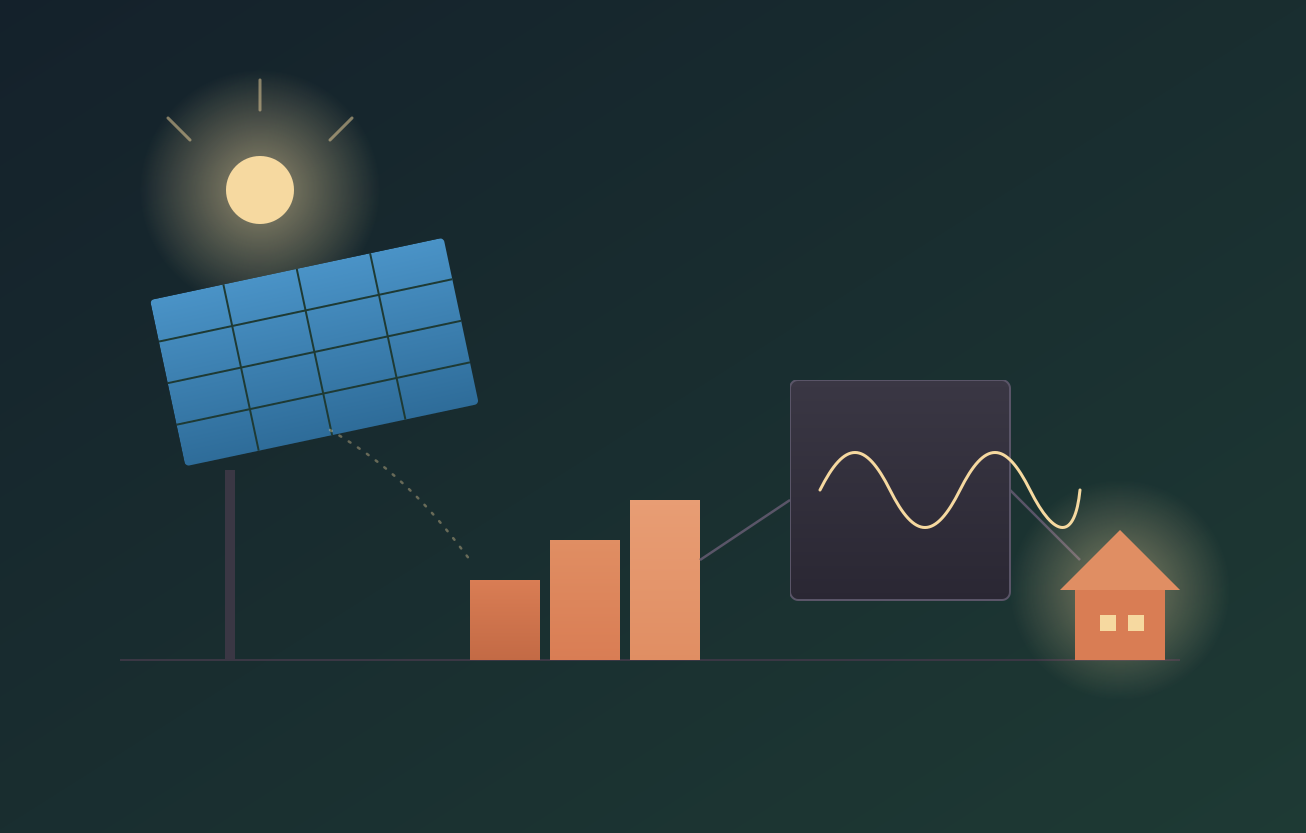
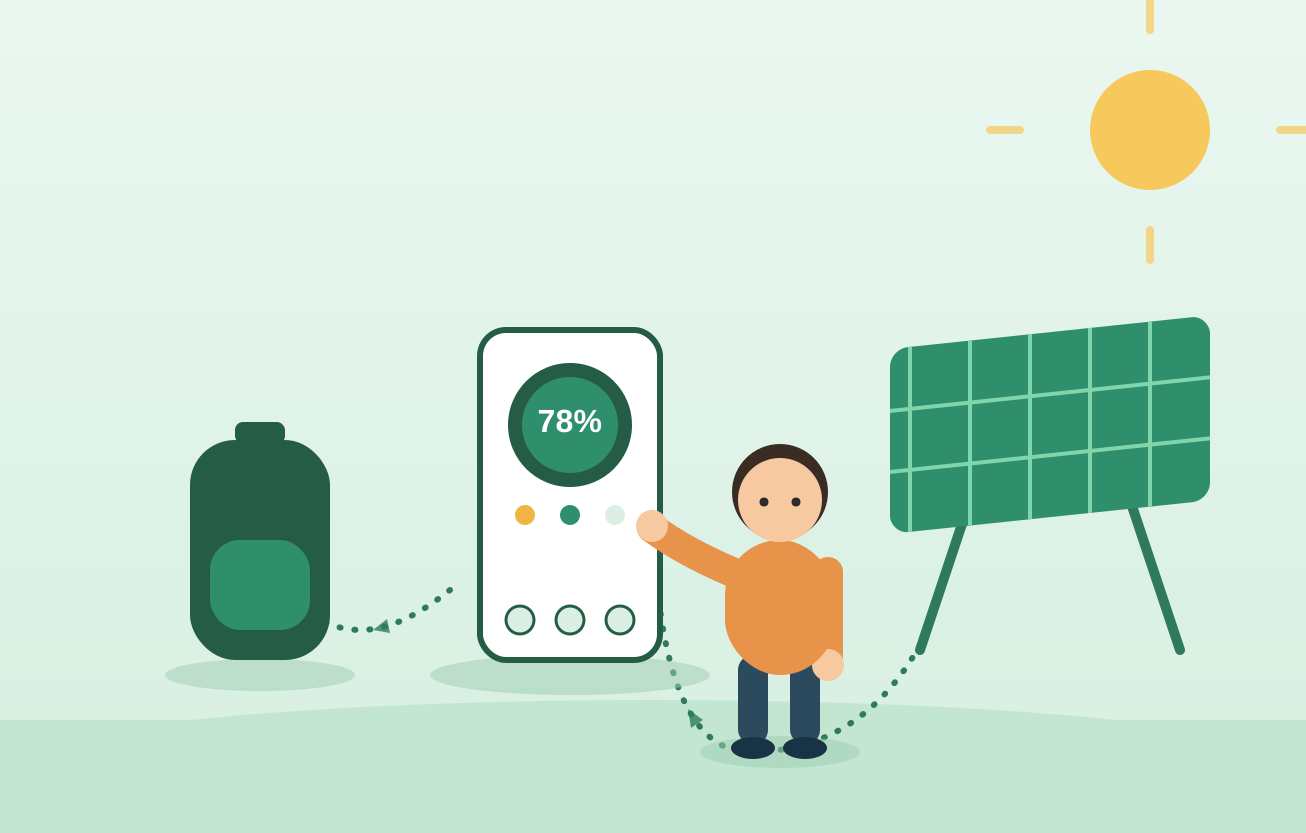
A solar charge controller is what I use to regulate the energy coming from my solar panels to my batteries. Without it, batteries can overcharge and lose lifespan quickly. Modern controllers I’ve tested often include features like:
- Overcharge and over-discharge protection
- Temperature compensation
- Load management
- LCD or app monitoring
Choosing the right controller has made a big difference in my off-grid solar efficiency. I also learned a lot about selecting the best battery for solar inverter to pair with each system.
PWM (Pulse Width Modulation) Solar Charge Controllers
From my experience, PWM controllers are:
- Affordable and reliable for smaller setups
- Simple to install and use
- Less efficient than MPPT controllers for larger or high-voltage systems
MPPT (Maximum Power Point Tracking) Solar Charge Controllers
MPPT controllers have become my go-to because they:
- Charge batteries faster and more efficiently
- Work well for medium to large off-grid systems
- Are compatible with a wide range of batteries and solar panel setups
Tip: For most off-grid systems I’ve worked with in 2026, MPPT controllers are usually the best choice. If you want, you can also see my recommendations for off-grid solar kits.
When I’m picking a controller, these are the features I focus on:
Battery Compatibility
I always check that the controller supports my battery type (Li-ion, AGM, or Gel). Pairing it with the best battery for solar inverter has saved me headaches and improved efficiency.
System Voltage & Current
I make sure the controller matches my solar array and battery bank voltage (12V, 24V, 48V) and has the right amp rating. I also refer to guides like The Ultimate Guide to the Best Off-Grid Inverters | Top Picks for Solar, 48V, and Micro Inverters to match compatible inverters.
Monitoring & Display
Controllers with LCD screens or Bluetooth monitoring make tracking my system performance much easier.
Safety Features
I never skimp on controllers with overload protection, short-circuit protection, or reverse-polarity protection — these features keep my system safe.
Victron SmartSolar MPPT 100/30
- High-efficiency MPPT controller
- Bluetooth for smartphone monitoring
- Great battery compatibility and safety features
Renogy Rover 40A MPPT
- Affordable and reliable
- Works with multiple battery types
- Perfect for medium-sized solar systems
EPEVER Tracer AN Series
- Advanced MPPT technology
- Large LCD display
- Excellent for larger off-grid installations
Morningstar ProStar MPPT
- Durable and long-lasting
- Remote monitoring options
- Pairs well with best solar generator for home backup in 2026
- Know your solar panel output: This helped me pick the correct amp rating.
- Plan for expansion: I always choose a controller with extra capacity for future panels.
- Budget vs efficiency: While MPPT controllers cost more upfront, I’ve found they save energy and extend battery life in the long run.
From my experience, the best solar charge controller protects your batteries, improves efficiency, and helps your solar system last longer. In 2026, I consistently recommend MPPT controllers for their efficiency and advanced features.
To fully optimize your solar setup, I also suggest exploring How I Learned Solar Power, off-grid solar kits, best battery for solar inverter, Ultimate Guide to Off-Grid Inverters, and best solar generator for home backup in 2026. These resources have made a big difference in my own systems.