Comprehensive Guide to Energy Saving Devices | Reducing Your Electricity Bills and Carbon Footprint
Energy saving devices promise to reduce electricity consumption and lower utility bills. Popular options include smart thermostats, LED bulbs, and solar panels, which have been proven to offer substantial savings. However, not all products are effective. Devices like "electricity saving boxes" and "power saver plugs" often claim to cut down household energy use through power factor correction, a technique beneficial only in industrial settings. These claims are largely fraudulent, as these devices do not impact residential electricity bills. When considering energy-saving gadgets, opt for well-researched, proven technologies to ensure genuine savings.
This post may contain affiliate links so we may receive compensation if you sign up for or purchase products linked to below. As an Amazon Associate, I can earn from qualifying purchases. Read our disclosure for more information.
Introduction 📜
Energy-saving devices play a crucial role in reducing energy consumption, lowering costs, and promoting sustainability. These devices are applicable not only in homes but also in commercial spaces, industrial settings, transportation, and public spaces.
This guide explores various energy-saving solutions for different contexts, providing insights into practical options for reducing electricity bills and minimizing carbon footprints.
1. What Are Some Energy-Saving Devices?
1.1 Best Energy Saving Devices
Energy-saving devices come in many forms, ranging from smart home systems to industrial solutions. To help you make the best choices for both energy efficiency and cost savings, we've compiled a table of recommended products available on Amazon. Be sure to check it out!
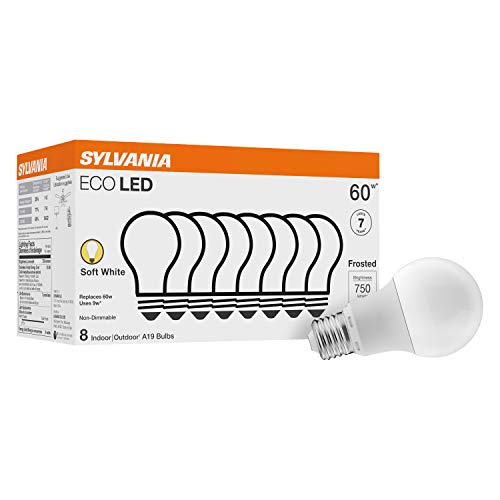
✔️ Energy Efficiency: Consumes only 9 watts while providing the same brightness as a 60-watt incandescent bulb (750 lumens), leading to significant energy savings.
✔️ Long Lifespan: Designed to last up to 7 years, reducing the frequency of bulb replacements.
✔️ White Light: Emits a warm, soft white light at 2700K, creating a welcoming atmosphere ideal for living spaces.
✔️ High Efficiency: Achieves a 23% energy conversion rate using advanced monocrystalline silicon solar cells.
✔️ Durability: IP65 water-resistant rating and ETFE-laminated case ensure long-lasting performance.
✔️ Flexible Setup: Quick and easy setup with two kickstands for stable positioning, making it suitable for home rooftops and mobile use like camping and RVs.
Energy-saving devices are becoming increasingly accessible for homes, businesses, and industries. Here are some of the most popular examples available today:
2.1 Smart Home Energy-Saving Devices
Smart Plugs and Power Strips: Devices like the TP-Link Kasa Smart Wi-Fi Plug help control and monitor electricity usage remotely.
Energy Monitoring Devices: Products like the Sense Energy Monitor allow homeowners to track real-time energy consumption.
Smart Irrigation Systems: Rachio 3 Smart Sprinkler Controller optimizes water usage for landscaping, reducing overall energy costs.
2.2 Renewable Energy Devices
Solar Panels: Solar energy systems, such as the Renogy 100 Watt 12 Volt Solar Panel, are ideal for homes and businesses looking to generate clean energy.
Wind Turbines: Small-scale wind turbines, such as the MarsRock Wind Turbine Generator Kit, provide an alternative renewable energy source.
Battery Storage Systems: Energy storage solutions, such as Tesla Powerwall or Renogy battery systems, store excess energy generated by solar or wind power for later use.
Animation Example
Renewable energy systems are ideal for generating cheaper and cleaner energy, making a significant impact on sustainability and reducing reliance on fossil fuels.
2.3 Efficient Appliances
Energy Star Rated Appliances: Appliances like the Whirlpool 4.5 Cu. Ft. Front Load Washer are designed to meet stringent energy-efficiency guidelines, reducing long-term electricity costs.
Instant Pot Multi-Cooker: The Instant Pot Duo 7-in-1 Electric Pressure Cooker is an energy-efficient solution for meal preparation.
Energy Star is the main energy label for devices electricity consumption tracking in North America
2.4 Outdoor Energy Solutions
LED Solar Pathway Lights: Devices like URPOWER Solar Lights use solar energy to illuminate outdoor spaces.
Smart Irrigation Controllers: Systems like the Rachio 3 Smart Sprinkler Controller reduce energy and water consumption in landscaping.
15 ENERGY EFFICIENT INVENTIONS FOR YOUR HOME
3. Energy Saving Devices To Reduce Carbon Footprint?
Energy-saving devices not only reduce electricity bills but also help lower your carbon footprint. This is especially relevant in today's efforts to combat climate change.
3.1 Commercial Solutions
Energy-Efficient HVAC Systems: Modern HVAC systems not only lower energy consumption but also reduce greenhouse gas emissions from heating and cooling.
Smart Grids: These advanced grids improve energy efficiency on a large scale, reducing overall carbon emissions in public utilities.
3.2 Industrial Solutions
Variable Frequency Drives (VFDs): By optimizing motor speed and torque, VFDs significantly reduce energy waste, leading to fewer carbon emissions in industrial processes.
Energy-Efficient Compressors: These devices reduce electricity usage in industrial settings, cutting down both costs and emissions.
3.3 Renewable Energy Sources
Solar Panels and Wind Turbines: Both solutions generate clean, renewable energy, replacing fossil fuels and significantly reducing carbon emissions.
Battery Storage Systems: These systems store renewable energy, ensuring that homes and businesses can use clean energy even when the sun isn’t shining or the wind isn’t blowing.
3. Do Energy Saving Devices Work?
Yes, energy-saving devices can make a noticeable difference in both electricity consumption and overall efficiency. Here's how they work in different settings:
How to reduce your carbon footprint by 80% | Matthew Tolley | TEDxTelford
4.1 Smart Home Devices
Smart Thermostats: Devices like the Honeywell Home T9 WiFi Smart Thermostat automatically adjust heating and cooling based on your schedule, reducing unnecessary energy use.
Smart Lighting Solutions: Products like the Philips Hue Smart Bulb adjust light based on occupancy, ensuring lights are off when not needed.
4.2 Industrial and Commercial Applications
Energy Management Systems (EMS): By continuously monitoring energy use, EMS can help businesses reduce peak electricity usage and optimize energy across different systems.
Energy-Efficient Appliances: Whether it's a commercial refrigerator or a front-load washer, using Energy Star-rated appliances guarantees a reduction in energy consumption.
Closing Thoughts 💭
Energy-saving devices provide practical and impactful options for homes, businesses, and public spaces. By integrating technologies such as smart lighting, renewable energy systems, and energy-efficient appliances, you can significantly reduce your electricity bills and carbon footprint. Consider researching specific products, potential savings, and customer reviews to find the best energy-saving devices tailored to your needs.
FAQs❓
1. Are Energy Saving Devices Any Good?
+
Yes, energy-saving devices can significantly reduce electricity consumption when used correctly. Devices like smart thermostats, energy-efficient appliances, and LED lights are effective at optimizing energy use and lowering bills. However, some plug-in devices marketed for saving energy, such as power factor correction devices for homes, are often ineffective. Research thoroughly before purchasing.
2. Is There Any Device To Reduce Electricity Bill?
+
Yes, several devices can help reduce your electricity bill. Energy-efficient appliances, smart thermostats, LED bulbs, and smart plugs all contribute to lowering energy consumption. These devices optimize power use, cutting waste and helping you save on your bills over time.
3. Are Energy Saving Appliances Tax Deductible?
+
In many regions, energy-saving appliances may qualify for tax deductions or rebates. Governments often offer incentives for purchasing Energy Star-rated products or investing in renewable energy devices like solar panels. Check your local tax laws or utility providers for available programs and eligibility criteria.
4. Why Are Energy Saving Devices Important For Your Wider Community?
+
Energy-saving devices not only reduce individual electricity costs but also benefit the wider community by lowering overall energy demand. This reduces the strain on local power grids and decreases the need for non-renewable energy sources. As more people adopt energy-efficient technologies, communities can collectively reduce their carbon footprint and contribute to environmental sustainability.
5. What Are Energy Saving Appliances?
+
Energy-saving appliances are designed to use less electricity while providing the same level of performance. Common examples include Energy Star-rated refrigerators, washing machines, and dishwashers. These appliances are engineered to consume less power than traditional models, leading to lower utility bills and environmental benefits.
6. What Are Energy Efficient Devices?
+
Energy-efficient devices are products that use less energy to perform their tasks compared to conventional alternatives. Examples include LED bulbs, which consume significantly less power than incandescent lights, and smart thermostats, which optimize heating and cooling to prevent energy waste. These devices are key to reducing electricity usage and lowering costs.
7. Which Type Of Appliance Is Most Energy-Efficient?
+
The most energy-efficient appliances are those that carry the Energy Star label, indicating they meet stringent energy-saving standards. Appliances such as refrigerators, dishwashers, and washing machines with this certification are typically more efficient than non-certified models. Additionally, heat pump water heaters and smart thermostats are among the top choices for energy savings.
8. What Device Helps Reduce Energy Consumption?
+
Smart thermostats, energy-efficient appliances, and LED bulbs are among the top devices that help reduce energy consumption. These technologies allow homeowners to monitor and control their energy use more effectively. For example, smart thermostats like the Nest Learning Thermostat can save significant energy by adjusting heating and cooling based on user patterns.
9. Why Are Energy Saving Devices Important?
+
Energy-saving devices are important because they help reduce electricity consumption, lower energy bills, and minimize environmental impact. By using these devices, you can optimize your energy use, reduce your carbon footprint, and contribute to energy conservation efforts that benefit the planet.
10. Why Is Energy Saving Important?
+
Energy saving is important because it conserves natural resources, reduces greenhouse gas emissions, and lowers utility bills. Reducing energy consumption also decreases the strain on the power grid, helping to prevent blackouts and ensuring a more sustainable future. Additionally, saving energy contributes to slowing down climate change.
11. What Are The Benefits Of Energy Saving Technology?
+
The benefits of energy-saving technology include lower electricity bills, reduced environmental impact, and increased energy efficiency. These technologies, such as LED lighting, smart thermostats, and energy-efficient appliances, help optimize energy use, which can lead to long-term financial savings and a smaller carbon footprint.
12. Why Is The Energy Efficiency Of A Device Important?
+
The energy efficiency of a device is important because it determines how much electricity is required to perform a task. More efficient devices use less power to achieve the same result, which helps reduce energy consumption and lower utility costs. Energy-efficient devices are also crucial for reducing greenhouse gas emissions and supporting environmental sustainability.