A space heater plug can feel warm after running for a while, but if it becomes unusually hot, it's something you shouldn't ignore. Space heaters draw a substantial amount of electricity, and a hot plug can be a warning sign of a poor electrical connection, a worn outlet, or a damaged plug or cord. In some cases, the problem isn't the heater itself but the outlet supplying it.
The tricky part is knowing where the heat is coming from and what it means. Is the plug getting hot where it connects to the wall? Is the outlet or faceplate warm to the touch? Or is the power cord heating up along its length? These symptoms can point to different electrical problems, and continuing to run the heater could increase the risk of overheating or an electrical fire.
In this guide, we'll explain why space heater plugs get hot, how to recognize the warning signs, and what to do if you notice excessive heat. We'll also look at whether a 1,500-watt space heater puts too much demand on a typical household outlet and why using an extension cord or power strip can make the situation more dangerous.
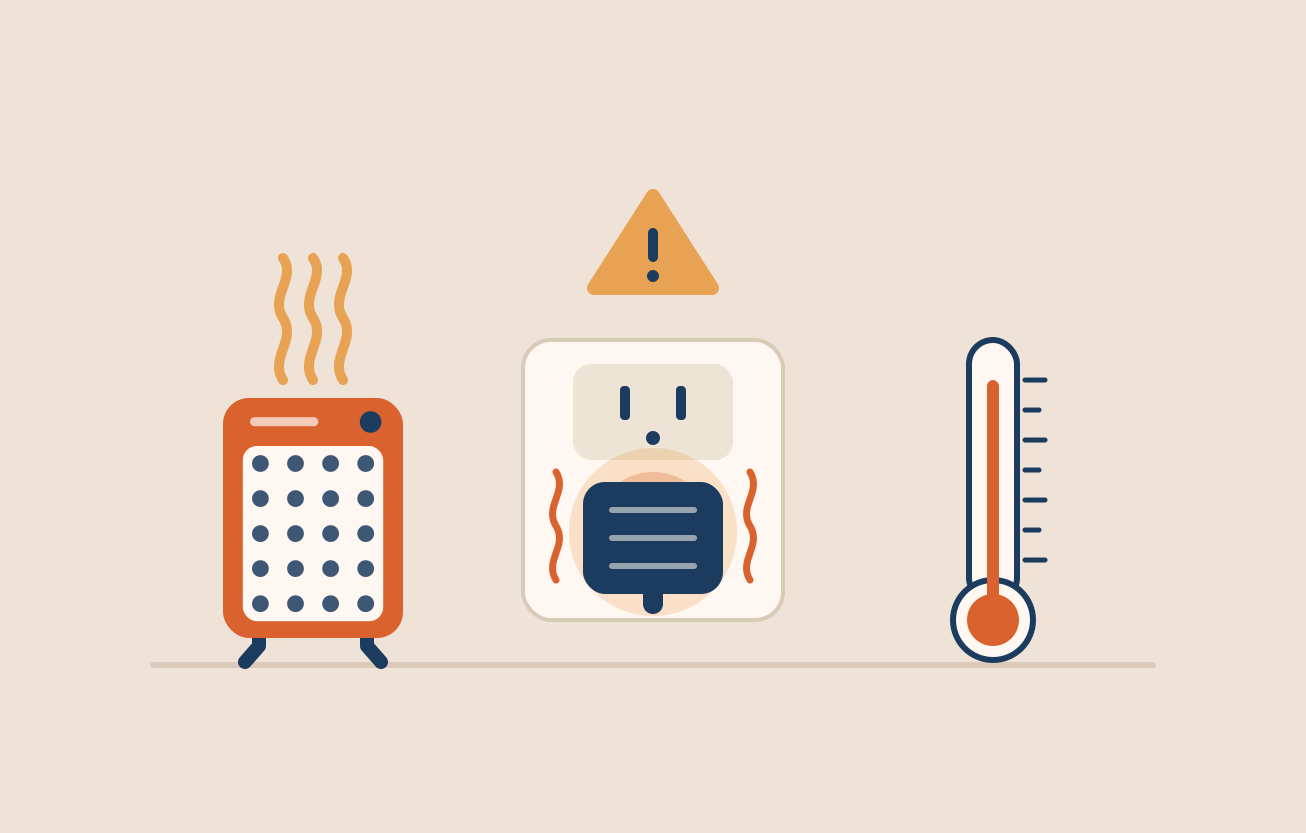
A space heater plug can feel slightly warm after the heater has been running for a while. That's because space heaters use a considerable amount of electricity, and some heat can develop as electrical current flows through the plug and its connection to the outlet. However, there's an important difference between a mildly warm plug and one that feels unusually hot.
A plug that becomes hot to the touch should never be ignored. It can indicate a loose electrical connection, worn outlet contacts, a damaged plug, or another problem that creates electrical resistance and excess heat. In some cases, the outlet itself may be deteriorating even when the heater appears to be working normally.
The U.S. Consumer Product Safety Commission (CPSC) advises stopping use of a portable heater if its plug, outlet, or faceplate becomes hot. The electrical connection should be checked by a qualified electrician before the heater is used again.
Pay attention to where the heat is coming from, too;
If the plug, outlet, faceplate, or cord becomes hot, stop using the heater. Disconnect it if you can do so safely, and don't keep running it to see whether the heat goes away. Have the problem inspected before using the heater again.
A space heater plug can get hot when too much heat builds up at the electrical connection between the plug and the wall outlet. This often happens because of electrical resistance, a poor connection, or a damaged component. Since space heaters draw a substantial amount of power, even a small problem with the connection can become a safety concern.
Here are the most common reasons a space heater plug gets hot.
One of the most common causes is a loose connection between the plug's metal prongs and the contacts inside the outlet.
Over time, outlet contacts can wear out and lose some of their grip. If the plug doesn't fit snugly, electricity may have to pass through a smaller or less reliable contact area. This creates electrical resistance, which produces heat.
You might notice that the plug feels unusually hot near the prongs or that it doesn't sit firmly in the outlet. A loose-fitting outlet should not be used with a space heater. Have a qualified electrician inspect and replace it if necessary.
Electrical outlets can deteriorate with age and repeated use. Worn internal contacts, damaged wiring, or a poor connection behind the outlet can cause heat to build up when a high-power appliance is plugged in.
Look for warning signs such as:
If you notice any of these signs, stop using the outlet and have it inspected by a qualified electrician.
The problem may also come from the heater itself. A damaged plug, loose prong, frayed cord, or deteriorating connection can generate excess heat while the heater is running.
Inspect the plug and cord for visible damage, including:
Never attempt to repair a damaged heater cord or plug with electrical tape. Stop using the heater and contact the manufacturer or an authorized repair professional.
A burning smell can also be a warning sign of overheating or damaged electrical components. If your heater develops an unusual odor, our guide to why a space heater smells when you turn it on explains some possible causes and when to be concerned. A persistent burning or electrical smell should never be ignored.
Most portable space heaters operate at relatively high wattages. A common 1,500-watt heater running on a 120-volt circuit draws approximately 12.5 amps.
That is a substantial electrical load for a household outlet, particularly if the outlet or its connections are already worn or damaged. A high electrical load can make an existing connection problem more noticeable and increase the amount of heat it produces.
However, a properly functioning outlet and compatible circuit should be able to supply the heater within their rated limits. A hot plug isn't something you should automatically attribute to the heater's wattage. It may indicate a faulty connection that needs professional attention.
You can learn more about the electrical demand of different heater settings in our guide to 1,500W vs. 750W space heaters, including how reducing the wattage affects power consumption.
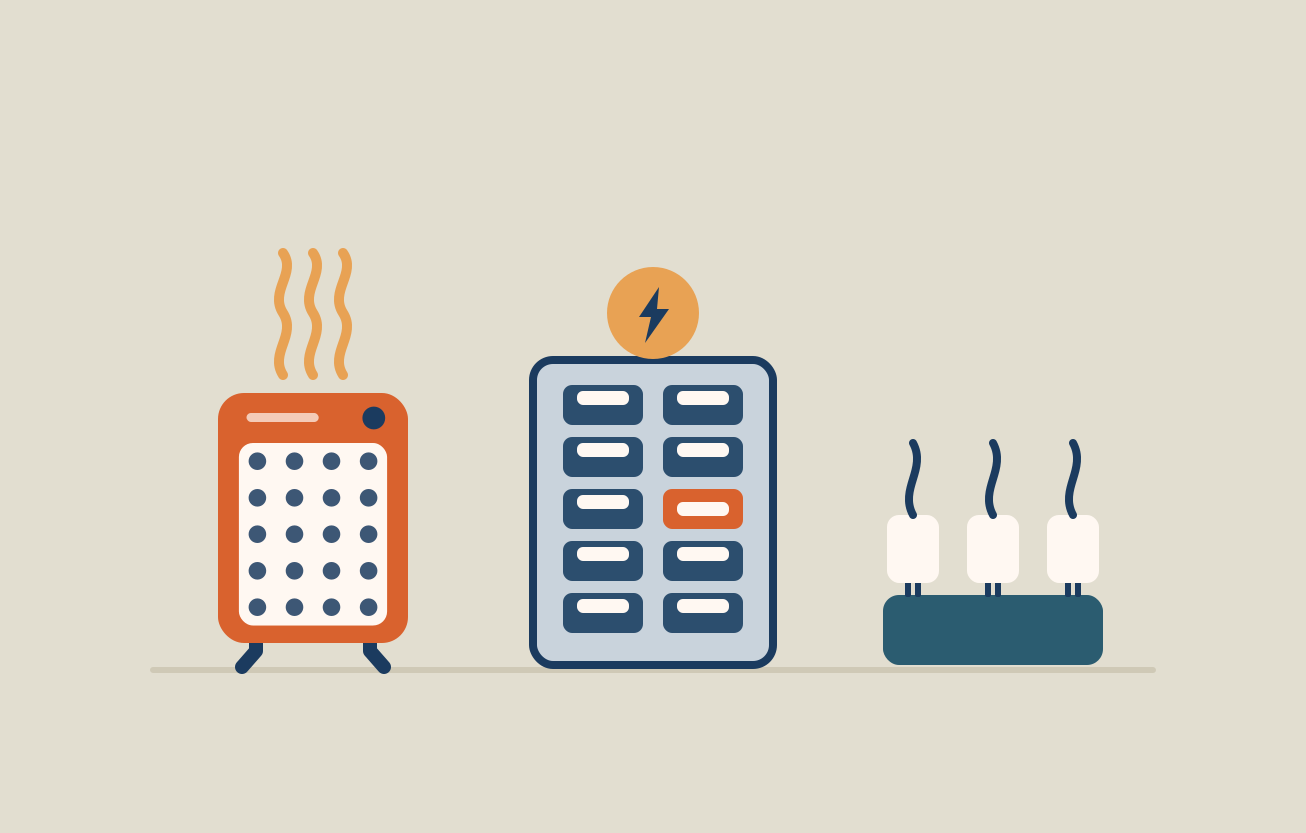
Space heaters should be plugged directly into a suitable wall outlet—not an extension cord, power strip, or surge protector.
These accessories can introduce additional connection points and may not be rated for the heater's electrical load. That can increase the risk of overheating, damaged connections, and electrical fires.
The U.S. Consumer Product Safety Commission's space heater safety guidance specifically warns against using extension cords and power strips with portable electric heaters.
If the heater's cord cannot reach the wall outlet, don't use an extension cord as a workaround. Follow the manufacturer's instructions and choose a safe heater location near an appropriate outlet.
The important takeaway: A hot space heater plug can result from a loose outlet connection, worn wiring, a damaged plug or cord, or an unsafe power connection. Because these problems can create a fire hazard, stop using the heater if its plug or outlet becomes hot and have the electrical issue checked before using it again.
When a space heater starts getting hot around its electrical connection, it's important to identify exactly where the heat is coming from. A hot plug, a hot wall outlet, and a hot power cord can point to different problems. Knowing the difference can help you describe the issue to an electrician or repair professional.
If the plug feels hot where it connects to the wall, there may be a problem with the connection between the plug's metal prongs and the outlet contacts.
Possible causes include worn outlet contacts, a loose connection, damaged prongs, or a faulty plug. Heat around the prongs can also damage the surrounding plastic housing.
What to do: Stop using the heater. If you can safely disconnect it without touching damaged or dangerously hot components, unplug it. Have the outlet and heater plug inspected before using the appliance again.
If the outlet or the plastic faceplate around it feels hot, the problem may be inside the outlet or the household wiring.
A loose wire connection, deteriorating outlet contacts, or another electrical fault can generate heat behind the wall plate. Discoloration, a burning smell, buzzing, or visible melting are additional warning signs.
What to do: Stop using the outlet and have a qualified electrician inspect it. Don't remove the faceplate or attempt electrical repairs yourself.
The U.S. Consumer Product Safety Commission (CPSC) specifically advises discontinuing use of a portable heater if its plug, outlet, or faceplate becomes hot.
If the cord itself becomes hot along its length rather than just near the plug, there may be damage or an electrical problem with the cord or heater.
Check for visible signs such as cracked insulation, fraying, exposed wires, melted areas, or discoloration. A cord that has been pinched under furniture or repeatedly bent may also be damaged.
A hot space heater plug isn't just a sign that the heater is working hard. It can indicate that electrical energy is being converted into excess heat at the connection point. In some cases, this is caused by a loose connection or worn outlet. In others, it may point to damaged wiring or a faulty plug.
One important factor is electrical resistance.
When electricity flows through a connection, resistance produces heat. A properly functioning plug and outlet should maintain a secure electrical connection. But if the outlet contacts become loose, worn, or damaged, resistance can increase and cause heat to build up.
This can create a dangerous cycle:
Yes. An overheated electrical connection can damage insulation and plastic components, potentially creating conditions for an electrical fire.
This is especially concerning with space heaters because they often operate for extended periods and draw substantial electrical current.
If you regularly run a space heater for several hours, its energy use can add up. Our guide to how much it costs to run a space heater 24/7 looks at the potential running costs of extended use.
According to the U.S. Fire Administration's heater safety guidance, portable heaters should be plugged directly into wall outlets rather than extension cords or power strips. Following this guidance helps reduce the risk of overheating associated with unsuitable electrical connections.
Not necessarily. The heater itself may be working correctly while the outlet or household wiring has a problem.
For example, a worn outlet may no longer grip the heater's plug securely. The heater can continue producing heat normally, even as the electrical connection becomes dangerously hot.
If you're also evaluating how well your heater warms a particular space, it helps to consider its heating capacity. Our guide to choosing the right space heater for your room size explains how room dimensions affect heater selection.
That's why replacing the heater without checking the outlet may not solve the problem. A qualified electrician can inspect the outlet and wiring, while the heater's plug and cord can be checked by the manufacturer or an authorized repair professional.
The key point: A hot plug is a warning that something may be wrong with the electrical connection. Don't assume the heater is simply running at a high temperature or that the problem will resolve itself. Stop using it and have the cause identified before switching it back on.
If your space heater plug becomes unusually hot, don't ignore it or keep running the heater. Excessive heat can indicate a loose electrical connection, a damaged outlet, or a problem with the heater's plug or cord. Taking the right steps can help prevent further damage and reduce the risk of an electrical fire.
Here's what to do.
Switch off the heater and stop using it as soon as you notice excessive heat around the plug, outlet, or power cord.
Don't leave it running while you investigate the problem. If you notice smoke, sparks, or a persistent burning smell, keep clear of the appliance and follow appropriate fire-safety procedures.
If the plug and outlet are not damaged or dangerously hot, and you can safely reach them, disconnect the heater from the wall outlet.
Don't touch exposed wires, melted plastic, or damaged electrical components. If the outlet is smoking, sparking, or visibly damaged, don't attempt to pull the plug out. Keep away and seek emergency assistance if there is an immediate fire or electrical hazard.
Once the heater is disconnected and safe to inspect, look for obvious signs of damage.
Pay attention to:
Don't open the outlet or attempt to repair electrical wiring yourself.
If the wall outlet or faceplate became hot, contact a qualified electrician to inspect the outlet and its wiring.
If the heater's plug or power cord is damaged or overheated, contact the manufacturer or an authorized repair professional. The heater may need professional repair or replacement.
Don't assume that replacing the heater will fix the problem if the outlet itself is faulty.
Avoid plugging the heater back in to see whether it gets hot again. Repeated testing can expose the same faulty connection to further heating.
Wait until the outlet and heater have been checked and any necessary repairs have been completed. Follow the manufacturer's instructions before returning the appliance to use.
The U.S. Consumer Product Safety Commission (CPSC) recommends discontinuing use when a portable heater's plug, outlet, or faceplate becomes hot and having the electrical connection checked by a qualified professional.
Remember: A hot space heater plug is a warning sign, not a problem to troubleshoot by repeatedly switching outlets or changing heater settings. Stop using the appliance, have the affected components inspected, and only return it to service when it's safe.
Yes. A 1,500-watt space heater draws a significant amount of electricity, and under certain conditions, it can contribute to an outlet overheating. However, a properly installed and maintained outlet on a suitable circuit should be able to handle the heater within its rated capacity.
The problem often occurs when a high-power appliance is connected to a worn outlet, damaged wiring, or an overloaded circuit.
On a standard 120-volt circuit, a 1,500-watt space heater draws approximately 12.5 amps.
On a 230-volt supply, common in many European countries, the same 1,500-watt heater draws approximately 6.5 amps.
That's a substantial continuous electrical load, particularly if the heater runs for several hours at a time.
You can learn more about heater power consumption in our guide to how much electricity a space heater uses.
That depends on the outlet, circuit, voltage, and electrical installation.
In the United States, many household outlets are connected to 15-amp or 20-amp circuits. A 1,500-watt heater draws about 12.5 amps at 120 volts, which uses a large portion of a 15-amp circuit's capacity.
In countries using 230 volts, including much of Europe, a 1,500-watt heater draws less current, but the outlet and circuit must still be suitable for the appliance and its continuous operation.
The important distinction is that a high-power heater should not make a properly functioning outlet dangerously hot. If the plug or outlet becomes hot, there may be a loose connection, damaged wiring, or another electrical fault that needs attention.
If an outlet becomes hot while a 1,500-watt heater is operating, stop using the heater and have the outlet and circuit inspected by a qualified electrician.
Don't assume that switching to a lower heater setting will solve the problem. A damaged connection can continue overheating even when the appliance draws less power.
You should also avoid plugging other high-power appliances into the same outlet or circuit until the issue has been checked.
For additional safety, always:
A space heater plug can become slightly warm during normal operation, but it should never become unusually hot to the touch. Excessive heat can point to a loose outlet connection, worn electrical contacts, a damaged plug or cord, or another problem that needs attention. And because space heaters draw a significant amount of electricity, even a small connection problem can become a serious safety concern.
The important thing is to pay attention to where the heat is coming from. A hot plug, a warm or discolored outlet, and a power cord that heats up along its length can indicate different problems, but none should be ignored. If you notice excessive heat, stop using the heater and unplug it if it's safe to do so. Have the outlet, plug, and cord checked by a qualified professional before using the heater again.
It's also worth remembering that a 1,500-watt space heater isn't automatically too powerful for a standard household outlet. The real concern is whether the outlet and electrical connection are in good condition and suitable for the load. Always plug a space heater directly into an appropriate wall outlet rather than using an extension cord or power strip.
Ultimately, a hot space heater plug isn't something to monitor and hope gets better. Treat it as a warning sign, address the cause, and make electrical safety a priority. A little caution now is far better than risking an overheated outlet or an electrical fire.
If you're exploring other ways to stay warm, you may also find our comparison of electric blankets vs. space heaters helpful when weighing different heating options.